
.300 Blackout: Subsonic vs Supersonic and Why 220 Grain
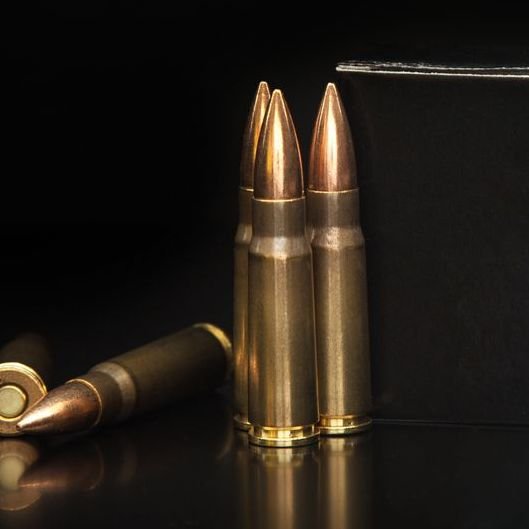
.300 AAC Blackout (300 BLK) was designed to give AR-15 shooters a .30 caliber option that works with standard magazines and bolts, and that runs well with a suppressor. The cartridge really has two personalities, and which one you want depends on how you shoot.
Supersonic loads
Lighter bullets, usually in the 110 to 125 grain range, are loaded fast enough to break the speed of sound. They shoot flatter and carry more energy at distance, so they’re the pick for hunting and general use without a can.
Subsonic loads
Heavier bullets, often around 200 to 220 grain, are typically loaded below the speed of sound (roughly 1,100 feet per second at sea level). That removes the supersonic crack as the bullet travels, which is why subsonic 300 BLK and a suppressor are such a popular pair. Expect a more curved trajectory, so zero accordingly.
Why 220 grain?
220 grain is a classic weight for suppressed 300 BLK. The heavy bullet keeps momentum at low velocity, and many rifles are tuned to cycle reliably with it suppressed. Our .300 Blackout 220gr TMJ, 200 rounds is built for range sessions with that kind of setup.
Tuning your rifle
Subsonic loads run at lower pressure, so some rifles need the suppressor on, an adjustable gas block or a specific buffer to cycle reliably. Run a few magazines to confirm your rifle feeds and ejects consistently before a long range day.
The one safety rule
A .300 Blackout round can chamber in a 5.56/.223 rifle, and firing it there can destroy the rifle and injure you. Mark your 300 BLK magazines clearly, keep the ammo separate from your 5.56, and never mix them in the same range bag without labels.